Sustainable Products: 20 Innovative Examples and Ideas (2026)
n the contemporary world, pressing issues such as global warming and overpopulation are becoming relevant to all. Heeding these environmental concerns, people are taking ownership of their actions and opting for eco-friendly ways of living. Slowly but thankfully, the realization is dawning upon most that even gradual change in consumption habits can go a long way in contributing towards a better and healthier tomorrow.
Buying durable, fair-trade and sustainable goods is therefore becoming the up-and-coming consumer habit. To lower their carbon footprint and practice a conscious life, many are actively embracing sustainability today!
However, will gravitating towards sustainability solve more problems or create them? Can sustainability offer everyday solutions and accommodate day-to-day needs? Most definitely, yes!
The study of consumer behaviour along with consistent development in product design has allowed most workday items to have their sustainable counterparts. In fact, according to Harvard Business Review, sustainable products have 5.6 times the sales growth potential compared to conventional products. Explodingtopics documented that in 2020, during the COVID pandemic, searches for bamboo toilet paper witnessed an all-time high! This paper is essentially made using 100% bamboo pulp. It reached its peak popularity in 2020 and continues to stir intrigue with there being a 766% increase in global searches for this eco-friendly paper!
It’s safe to say that with instances such as this, consumers are searching for eco-friendly and handy alternatives for everything under the sun! From the looks of it, sustainable offerings from ethical sellers will be one of the most striking consumer behaviour shifts to look out for in the coming years!
In this post, Qalara shows you a series of most innovative products that are long-lasting so you can stock them up, much to the delight of practitioners of sustainable living!
Table of Contents
- What Makes a Product Sustainable?
- 8 Innovative Sustainable Products
- Sustainable Product Examples at a Glance
- 20 Sustainable Product Ideas by Category
- Principles of Sustainable Product Design
- Eco-Friendly Product Ideas for Students and School Projects
- New Sustainable Products to Watch in 2026
- Everyday Sustainable Swaps
- Where to Source Sustainable Products Wholesale
- Conclusion
- Frequently Asked Questions
Let’s start by discussing:
What Makes a Product Sustainable?
A sustainable product is one that can be made, used and eventually disposed of without depleting natural resources or harming the people involved in producing it. Put simply, it performs its purpose while minimising its environmental and social impact throughout its life cycle.
Strip away the marketing buzzwords, and a genuinely sustainable product can usually be evaluated against four key criteria:
- Materials — Made from renewable, recycled or upcycled resources instead of finite, resource-intensive virgin materials.
- Production — Manufactured using processes that minimise waste and emissions while ensuring safe working conditions and fair treatment of workers.
- End of life — Designed to be biodegradable, compostable, recyclable or reusable, preventing unnecessary landfill waste.
- Durability — Built to last longer than disposable alternatives, reducing the need for frequent replacements and conserving resources over time.
As the Sustainable Product Index explains, sustainability rests on three interconnected pillars—environmental, social and economic. A product can only be considered truly sustainable when it performs responsibly across its entire life cycle, from raw material sourcing and manufacturing to use and disposal, rather than excelling in just one area. Every product featured in this guide has been evaluated using that broader perspective.
Trending Sustainable Products to Explore
These sustainable products highlight practical opportunities for businesses looking to expand their sustainable product collections that meet growing consumer demand for eco-conscious alternatives. From renewable materials to recycled and upcycled resources, they show how everyday products can reduce environmental impact while remaining functional, distinctive and appealing to customers.
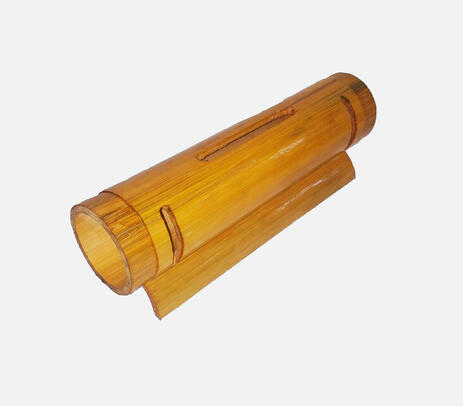
1. Bamboo amplifiers
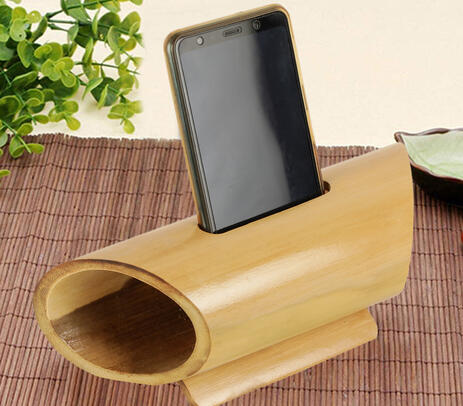
Toss out the conventional ideas you may hold of chunky, electronic, metal and plastic-heavy amplifiers! In store for you are these portable eco-friendly amplifiers that are made of 100% bamboo. Not only will they outlive electronically-supported sound amplification speakers but are a boon to those who’d love to boogie to beats that reverberate out of handcrafted, sustainable, and of course, innovatively designed offerings. Add these products to your party catalog and have the users shimmy to a groovy rhythm!
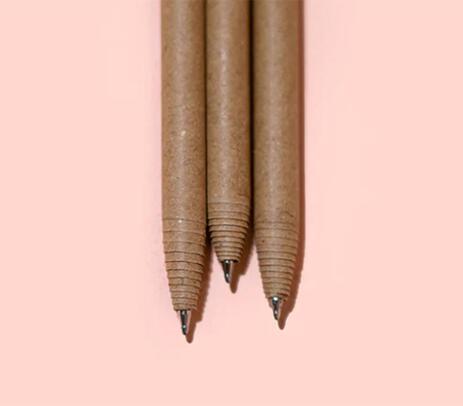
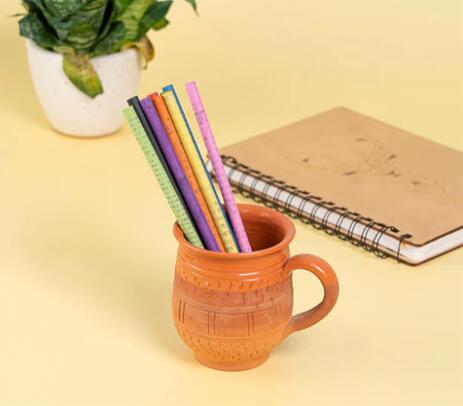
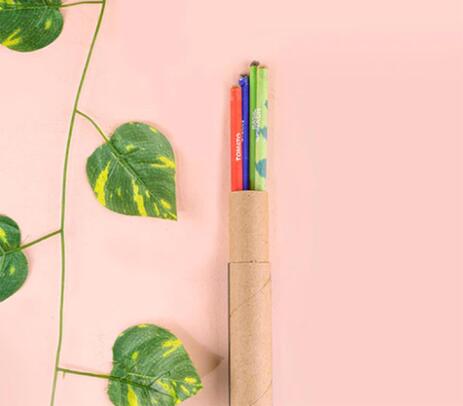
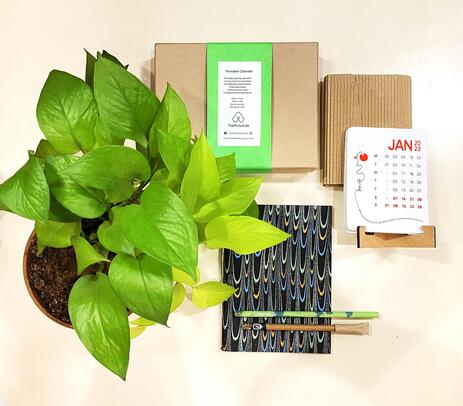
2. Plantable stationery
According to explodingtopics, in the past two years, there has been an approximate 30% increase in web searches for plantable products. Plantable offerings are holistically no-waste and can essentially be repurposed into bio-degradable materials once the product’s shelf life is over. It is also a feature that appears as massively enticing to green consumers. People are more than ready to invest in innovative plantable offerings across several categories such as stationery, lifestyle and even makeup!
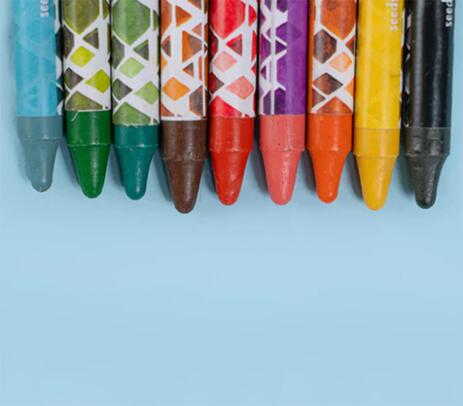
These plantable calendars, journals, pens and pencils are the epitome of eco-products and come embedded with flower, vegetable and herbs seeds. Truly symbolic of innovative sustainability!
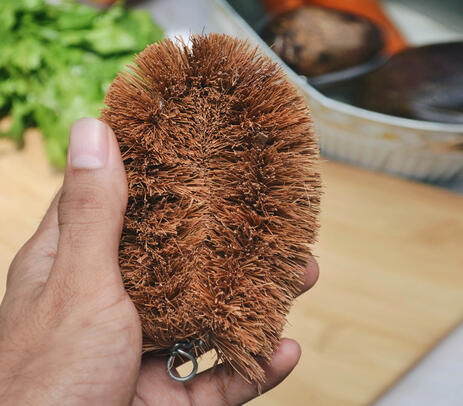
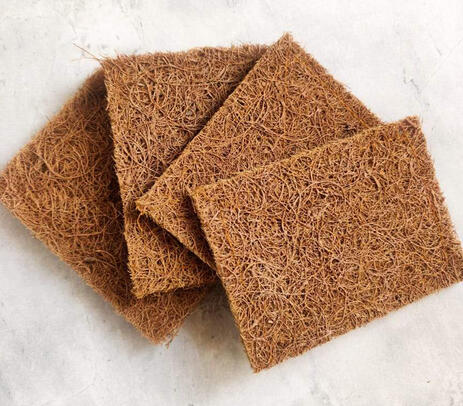
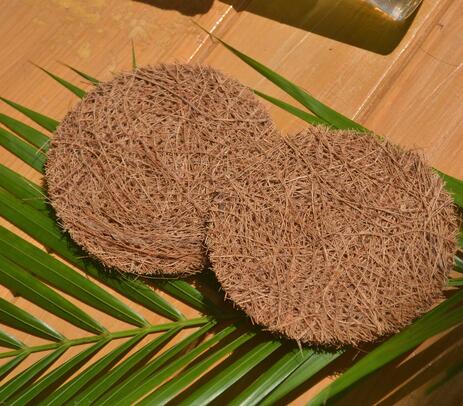
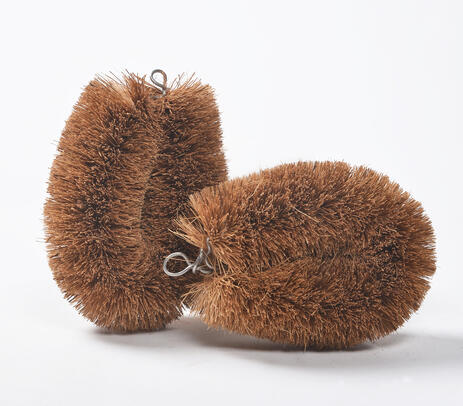
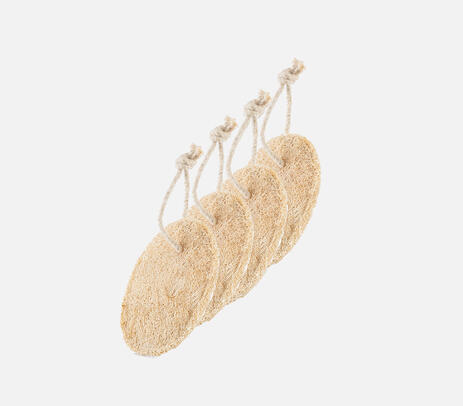
3. Coconut coir scrubs
Keeping kitchen spaces clean shouldn’t be at the cost of endangering the environment and contributing to sordid landfills. The use of plastic-heavy and synthetic fiber scrubs & pads as cleaning agents can now be avoided. These non-degradable products can be replaced with natural coconut-coir offerings that juxtapose utility with conservation.
Coir scrubs and scouring pads are made out of coconut fiber that is essentially discarded as waste from the coconut industry. Thus, these offerings signify smart innovation and holistic eco-conservation. Making the best out of waste to clean spoons, plates and the rest!
Strong, eco-friendly, sustainable, biodegradable, anti-microbial and compostable, coir is a natural and biohazard-free material. For a while now, it has been instrumental in the production of mats, ropes, rugs, and carpets. It is known to readily absorb water, which when combined with its fibrous nature, makes for a very efficient kitchen and household cleaning product. Moreover, research also indicates that coir possesses insect, fungus, and algae-repelling abilities. This is due to its property of maintaining a drier state. All of this subsequently makes coir products much more durable than their plastic counterparts.
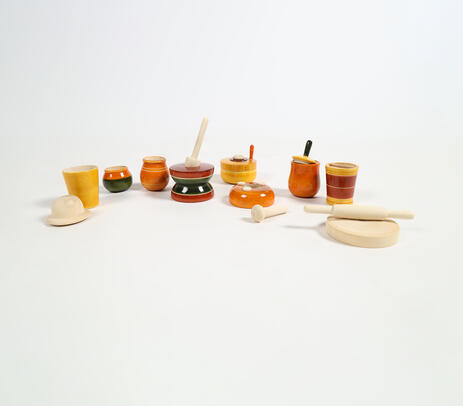
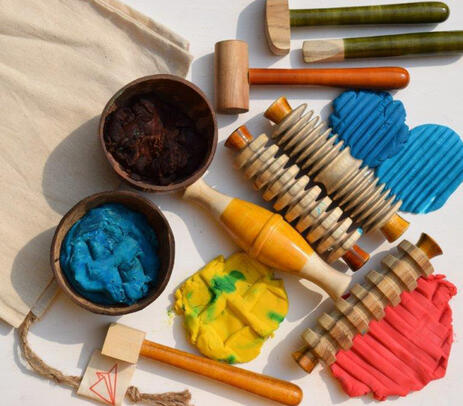
4. Plastic-free toys
It is important, now more than ever before, to instil the values of environmental concern and nature awareness in kids in their formative years. What better way to do it than to co-opt the appropriate learning tools and aids for them. Well-informed parents of today know better than to purchase plastic toys for their little ones. In fact, there’s a real health risk involved in letting infants and children play with popularly available and heavily consumed plastic toys.
Research suggests that plastic toys can prove to be harmful for the growth and development of kids. A whole lot of toxins and chemical additives such as stabilizers, colorants, fragrances, plasticizers and whatnot are used in plastic toys that can potentially be ingested by children.
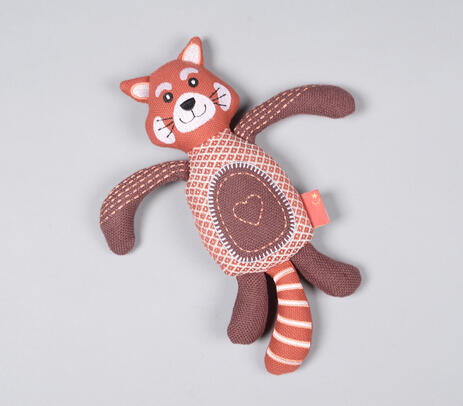
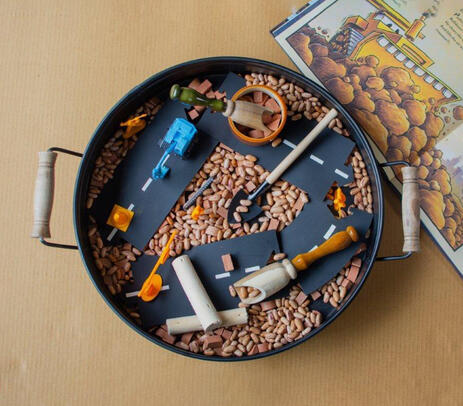
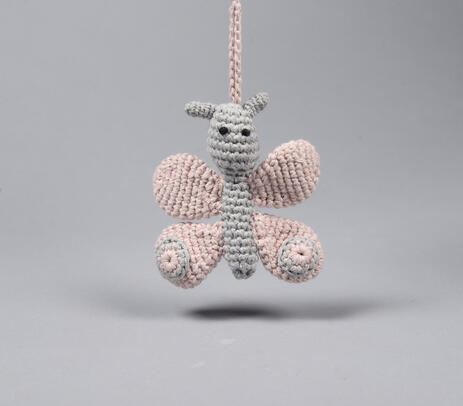
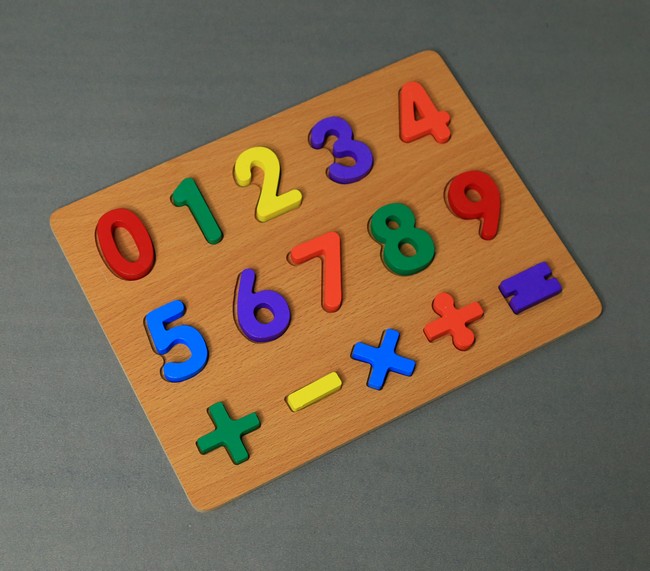
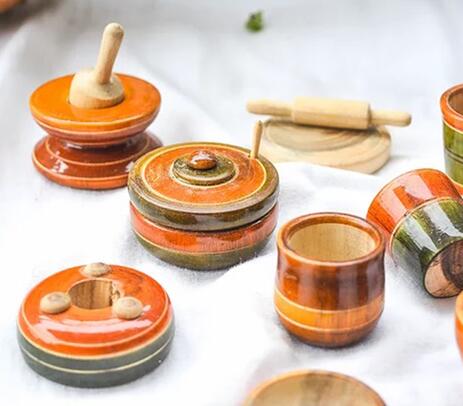
More and more parents, therefore, are choosing to let their kids grow up playing with eco-friendly wooden or cloth toys. A priceless and innovative range of pretend play toys, open-ended toys, and DIY play kits – which are set to trend in 2023 and witness a sustained growth – are available on Qalara. Toys made out of natural, safe, and organic materials, are not just safe, but outlive most plastic toys that crumble under wear and tear.
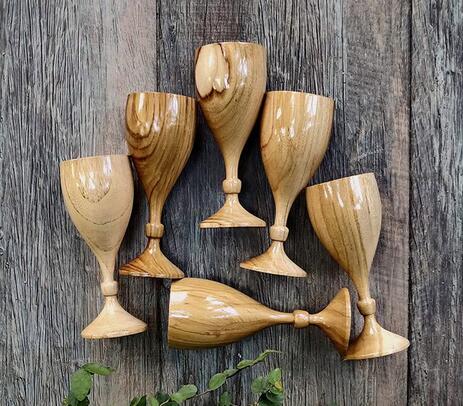
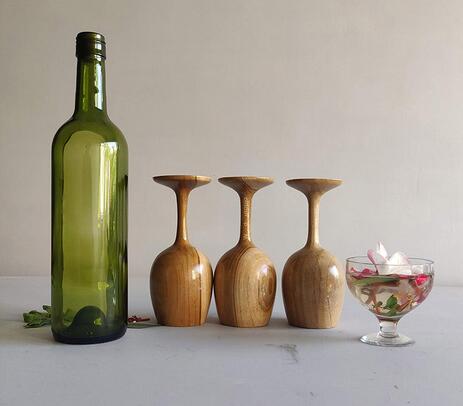
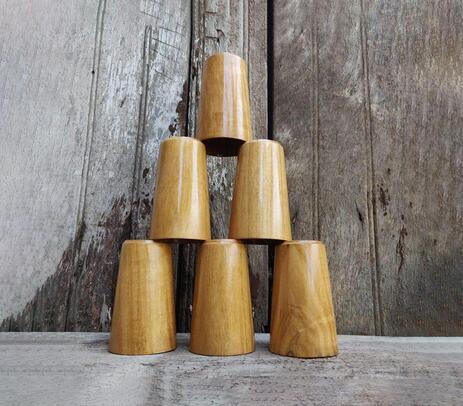
5. Wooden glasses
Who says a cocktail party is all about swirling fancy wine in expensive glassware? Trending these days are wooden renditions of glass drinkware and a great selection of them, right from neat wine glasses to modest drinking glasses, is right here for you to explore!
Made out of a wide variety of wood the likes of teak wood, blueberry wood, mango wood, reclaimed wood and more, these glasses bring in a mark of traditional artistry into modern kitchen spaces. These are often designed to last long, and prove to be the perfect biodegradable, green alternatives to plastic and steel glasses that require a good amount of chemical intervention in their manufacturing process. They are also low on carbon emissions and are humbly handcrafted to last for as long as 15 years! Trendy in look and genuinely sustainable in build, this kitchenware style should successfully cater to consumers who shop cruelty-free, eco-friendly, and durable products.
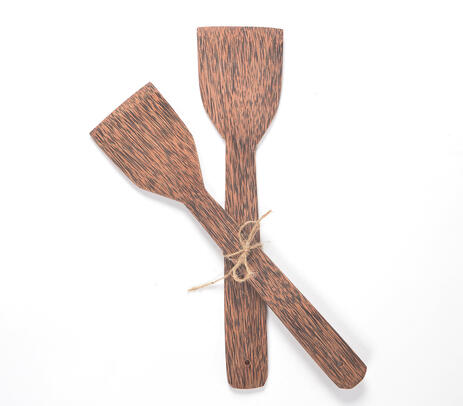
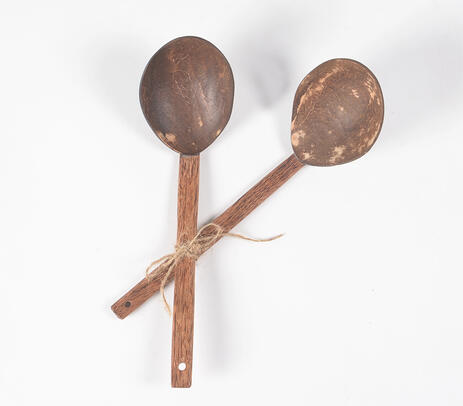
6. Coconut wood cutlery & accessories
Incorporate these lightweight and conscious alternatives to plain-old kitchen cutlery into your catalog. Pieces such as these cutlery offerings are made out of coconut wood/shell which is salvaged from the coconut industry whereby it is considered merely but a waste.
The material happens to be anti-microbial, free from hazardous substances and a super durable option for cutlery products. The resultant designs absorb the shell’s beautiful texture, earthy colors as well as its easy-to-handle properties. Available in abundance in India, coconuts offer multiple by-products including shell, coir, and husks, most of which can be utilized to make sustainable and eco-friendly products.
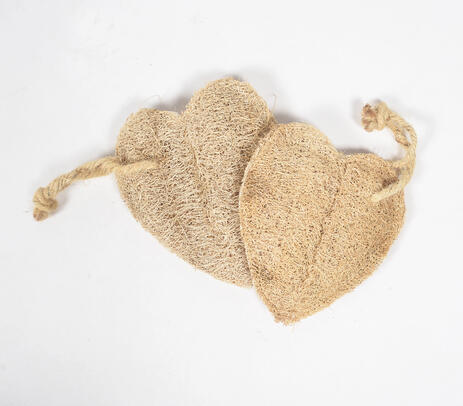
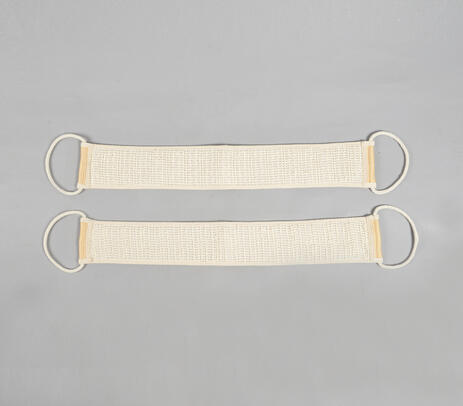
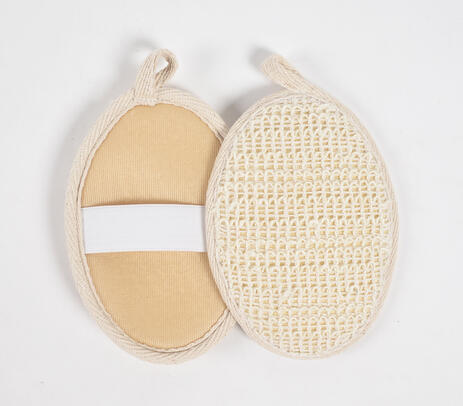
7. Natural fiber exfoliating bath products
To avoid rash-prone, prickly, and highly unpleasant bath sessions, urge your customers to switch to eco-friendly exfoliating options. These natural and organic scrubs and loofahs will drain all the strain from tired bodies and provide for a nice long relaxing bath experience. Cool innovative self-care designs such as these, help erase the fatigue in an eco-friendly way. By means of their 100% natural material composition, they are also safe to use on all skin types and score high on their usability factor!
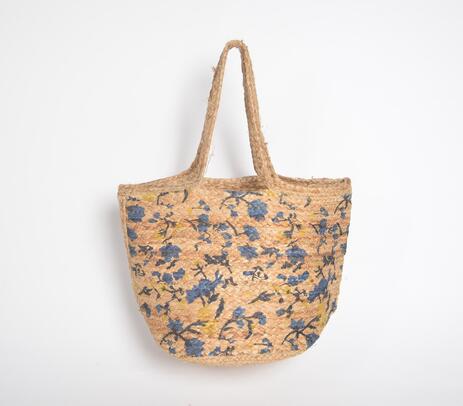
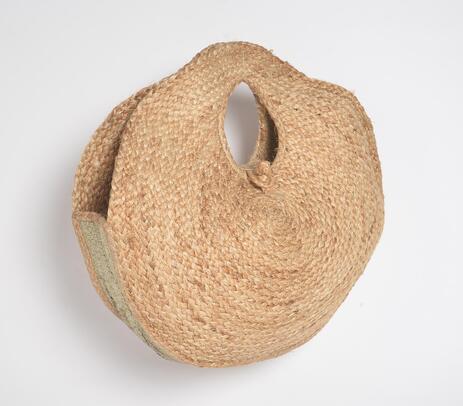
8. Bamboo bags
In one of the previously featured segments, we listed a range of swanky carry-on burlap travel bags that highlighted the use of sustainable materials by our partner sellers on Qalara. Hand-in-hand with the same concept are these refreshing and unique bags that are made out of bamboo!
Bamboo is completely environment friendly to grow as it yields 50 times more fiber per area compared to cotton! Braided using sustainable bamboo fibers, products such as these bags make it easier for innovation to be integrated into our daily lives without compromising on functionality. Additionally, bamboo lends these bags the qualities of strength and durability that go on to supplement its pleasant rustic aesthetic. Simple in concept yet hard to replicate, bags such as these are the embodiment of artisanal innovation!
Sustainable Product Examples at a Glance
Here's how each of our eight picks stacks up against the sustainability criteria discussed above.
| Product | Material | Category | Why it qualifies |
|---|---|---|---|
| Bamboo amplifiers | 100% bamboo | Audio & Lifestyle | Renewable, biodegradable material that replaces electronic, plastic- and metal-heavy speakers. |
| Plantable stationery | Recycled seed paper | Stationery | Zero-waste by design—regrows into flowers, herbs or vegetables instead of ending up in landfill. |
| Coconut coir scrubs | Coconut fibre (industry waste) | Kitchen | Made from a coconut-industry by-product; compostable and naturally antimicrobial. |
| Plastic-free toys | Acacia/teak wood, recycled fabric | Kids & Baby | Free of plastic stabilizers and plasticizers; durable enough to be passed down through generations. |
| Wooden glasses | Teak, mango, reclaimed wood | Kitchen & Bar | Low-emission alternative to glass and steel, handcrafted to last up to 15 years. |
| Coconut wood cutlery | Coconut wood/shell (industry waste) | Kitchen | Antimicrobial and chemical-free, carved from salvaged coconut shell that would otherwise be discarded. |
| Natural fibre bath products | Jute, ramie, coconut coir | Bath & Self-care | Fully natural exfoliants that replace synthetic loofahs and plastic scrubbers. |
| Bamboo bags | Braided bamboo fibre | Fashion & Accessories | Bamboo yields roughly 50 times more fibre per acre than cotton, making it a highly renewable material. |
20 Sustainable Product Ideas by Category
Whether you're looking for eco-friendly products for your home, business or retail store, these sustainable product ideas showcase how renewable, recycled and responsibly sourced materials can be transformed into beautiful, functional everyday products.
Sustainable Kitchen & Dining
Sustainable Home Décor
Sustainable Home Storage & Living
Sustainable Kids' Toys & Nursery
Sustainable Stationery & Office
Sustainable Fashion Accessories
Ready to shop the full category? Browse Qalara's sustainable collection
Principles of Sustainable Product Design
The products featured above didn't become sustainable by chance—they are the result of thoughtful design decisions made from the very beginning. Sustainable product design considers the entire product life cycle, ensuring environmental impact is reduced long before manufacturing begins.
Some of the core principles include:
- Material selection — Prioritising renewable, recycled or responsibly sourced materials over virgin, resource-intensive alternatives.
- Design for disassembly — Creating products that can be easily repaired, separated or recycled at the end of their useful life instead of becoming landfill waste.
- Using waste-stream materials — Transforming by-products or discarded resources into valuable new products. Coconut coir scrubs and coconut wood cutlery, for example, give agricultural waste a second life instead of allowing it to be discarded.
Together, these principles support a circular design approach, where products are designed to maximise resource efficiency, extend product life and minimise waste. Rather than judging sustainability based on materials alone, circular product design evaluates every stage of a product's journey, from sourcing and manufacturing to use, repair and end-of-life management. This life-cycle perspective is also central to the Sustainable Product Index framework for assessing genuinely sustainable products.
Eco-Friendly Product Ideas for Students and School Projects
Looking for a sustainability project that goes beyond a poster or presentation? Start with something that would normally end up in the bin. These simple product ideas turn everyday waste materials into useful, creative products that students can actually make and demonstrate.
1. Newspaper Pen Holder
Old newspapers can be rolled, shaped and glued into a sturdy pen holder. Students can experiment with different rolling and weaving techniques, then finish it with paint or natural dyes for a personalized desk accessory.
2. Tyre Tube Card Holder
Discarded tyre tubes are tough, flexible and surprisingly easy to repurpose. Cut and stitch them into compact card holders, creating a durable alternative to new synthetic materials while giving waste rubber a second life.
3. Denim Wall Hanging Organizer
Don't throw out those old jeans. Their sturdy denim fabric can be transformed into a wall organizer with pockets for stationery, accessories or small everyday essentials. Students can customize it with patches, embroidery or hand-painted details.
4. Hand-Painted Scrap Fabric Tote Bags
Turn fabric scraps or unwanted textiles into reusable tote bags, then give each one a unique identity with hand-painted artwork. It's a simple way to explore how textile waste can become something functional, reusable and marketable.
5. MLP Packaging Table Coaster
Thin MLP (multi-layer plastic) packaging waste is one of the biggest challenges. Instead of sending it straight to the bin, cut it into narrow strips and weave them into a sturdy table coaster and line them with fabric piping. It's a great way to demonstrate how even hard-to-recycle waste can be creatively repurposed.
6. Sustainable Material Swatch Board
Want to take the project beyond making a product? Create a material swatch board featuring bamboo, cork, jute, coconut shell, recycled fabric and other sustainable materials. Add a note about where each material comes from, what products it can become and what happens to it at the end of its life.
The best part? These projects don't just show that waste can be reused, they challenge students to think like product designers: What can this material become before it becomes waste?
New Sustainable Products to Watch in 2026
Sustainable product innovation is moving beyond familiar materials like bamboo and recycled cotton. In 2026, designers and manufacturers are exploring mycelium, agricultural waste, seaweed and advanced textile recycling to create alternatives to more resource-intensive materials.
Mycelium Packaging & Materials
Mushroom roots—or mycelium—can bind agricultural fibres into lightweight, mouldable materials. Researchers are exploring mycelium composites made with materials such as rice straw, jute and cocopeat as alternatives to conventional packaging materials.
Agricultural-Waste Packaging
What if yesterday's crop residue became tomorrow's packaging? Agricultural by-products such as crop residues and food-processing waste are increasingly being explored as raw materials for packaging, turning waste into useful products while reducing reliance on conventional materials.
Seaweed-Based Textiles
Seaweed is moving beyond food and skincare. Researchers and innovators are exploring seaweed-derived fibres for fabrics used in fashion, furniture and other applications, potentially reducing reliance on conventional fibres such as cotton and polyester.
Textile-to-Textile Recycling
Instead of turning old clothing into lower-value products, new recycling technologies are working towards converting textile waste back into usable fibres. India's textile sector is also investing in recycling technologies and circular production systems, with the country's textile recycling market projected to reach $3.5 billion by 2030.
Mycelium-Based Leather Alternatives
Mushroom-based materials are also finding applications in fashion. Mycelium leather alternatives are being developed for products such as bags, footwear and accessories, offering brands a potential alternative to conventional leather while opening up new possibilities for material innovation.
For buyers, these innovations are worth watching because they point towards the next generation of sustainable products—where waste becomes a resource, new materials replace resource-intensive ones, and sustainability becomes part of the product itself.
Everyday Sustainable Swaps
Making everyday choices more sustainable doesn't always mean changing your routine. Often, it's simply about swapping a disposable or resource-intensive product for one made from renewable, recycled or upcycled materials.
| Instead of… | → | Try… | Sustainability benefit |
|---|---|---|---|
| Plastic kitchen sponges | → | Coconut coir scrubbers | Biodegradable and made from coconut fibre |
| Single-use plastic cutlery | → | Coconut wood cutlery | Reusable and made from an agricultural by-product |
| Plastic storage baskets | → | Palm leaf storage baskets | Made from a renewable natural fibre |
| Synthetic rugs | → | Seagrass or upcycled fabric rugs | Uses renewable or recycled fibres |
| Disposable drinkware | → | Reusable wooden drinkware | Reduces reliance on single-use products |
| Plastic desk organizers | → | Dried grass pen stands | Made from a renewable natural fibre |
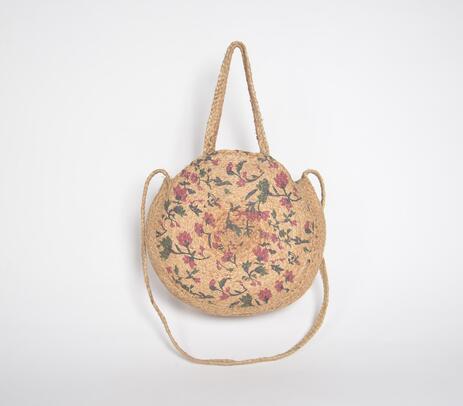
| Synthetic handbags | → | Straw handbags | Uses a plant-based, renewable material |
| Leather laptop sleeves | → | Upcycled textile laptop sleeves | Gives discarded textiles a second life |
The idea is simple: small swaps can add up when they become everyday habits, especially when businesses and consumers choose products designed to last, reuse materials or reduce waste.
Where to Source Sustainable Products Wholesale
Finding sustainable products is one thing, finding reliable wholesale suppliers who can consistently deliver them at scale is another. Whether you are a retailer, importer, wholesaler or brand, it's important to work with suppliers who combine responsible production with dependable manufacturing capabilities.
Many of the products featured in this guide are handcrafted by skilled artisans and manufacturers across India using renewable, recycled and upcycled materials. Sourcing directly from verified suppliers helps ensure product authenticity, consistent quality and greater supply chain transparency.
Qalara connects global buyers with a curated network of manufacturers, artisan businesses and export-ready suppliers offering sustainable products across multiple categories. Buyers can explore thousands of wholesale products with options suitable for private label, retail and bulk sourcing.
Whether you are building an eco-conscious retail collection, sourcing products for hospitality, or expanding your sustainable product range, choosing suppliers that prioritize responsible materials and ethical production can help create long-term value for both your business and your customers.
Ready to source sustainable products?
Get in touch with our sourcing team
to discuss your sourcing requirements
Conclusion
Sustainable products are no longer a niche, they are becoming the new standard across home décor, kitchenware, stationery, toys, fashion accessories and everyday essentials. From renewable materials like bamboo and cork to innovative uses of recycled fabrics, paper and agricultural waste, sustainable design is proving that functionality, aesthetics and environmental responsibility can go hand in hand.
Whether you are looking for sustainable product ideas, sourcing inspiration or wholesale opportunities, choosing products that are thoughtfully designed and responsibly made is a meaningful step towards a more circular future. As consumer demand for eco-friendly alternatives continues to grow, businesses that invest in sustainable products today will be better positioned to meet tomorrow’s expectations.
~ Written by Gauri S
Frequently Asked Questions
A sustainable product is designed to minimise environmental and social impact throughout its life cycle. It uses responsible materials, is produced ethically, lasts longer than conventional alternatives and can be reused, recycled or safely returned to nature at the end of its life.
Examples of sustainable products include bamboo amplifiers, plantable stationery, coconut coir scrubs, plastic-free toys, wooden glasses, coconut wood cutlery, natural fibre bath products and bamboo bags. Each uses renewable, recycled or biodegradable materials while helping reduce waste and reliance on conventional plastics.
Not always. While some handcrafted or responsibly made products may cost more upfront, they are often designed to last longer and perform better over time. In many cases, their durability reduces the overall cost per use compared to cheaper, disposable alternatives.
Look beyond marketing claims. Consider four key factors: the materials used, how the product was manufactured, how long it is designed to last, and what happens at the end of its life. Products that perform well across all four areas are generally more credible than those making a single environmental claim.
Simple swaps include replacing plastic kitchen scrubs with coconut coir scrubbers, choosing natural-fibre bath accessories, carrying reusable bamboo cutlery or switching to reusable drinkware. Small changes in everyday products can significantly reduce plastic waste over time.
Retailers, importers and brands can source sustainable products directly from manufacturers and artisan businesses through Qalara, which offers a wide range of responsibly made home décor, lifestyle, kitchenware and gift products suitable for wholesale purchasing.


Mindy Woodbury
I think this is among the most important and relevant info for me.
And i’m glad I read your article. Wanna remark on few things: the website style is great, and the articles are really great too :D.
Good job, cheers