Home » Trends & Insights » Eco-Friendly Products for Wholesale: 15 Ideas to Source from India

Eco-Friendly Products for Wholesale: 15 Ideas to Source from India

Eco-friendly products are goods designed, made, or packaged to reduce environmental impact through materials, production methods, durability, reuse, or responsible sourcing. For global retailers and brands, India’s artisan and manufacturing ecosystem offers a wide range of eco-friendly products across home decor, textiles, kitchenware, accessories, and gifting. For buyers looking for differentiated collections, sourcing eco-friendly products from India can also provide access to diverse materials, specialised craft skills, and flexible supplier capabilities. Qalara connects international buyers with suppliers from India and other sourcing markets through a global B2B marketplace.

What Are Eco-Friendly Products?

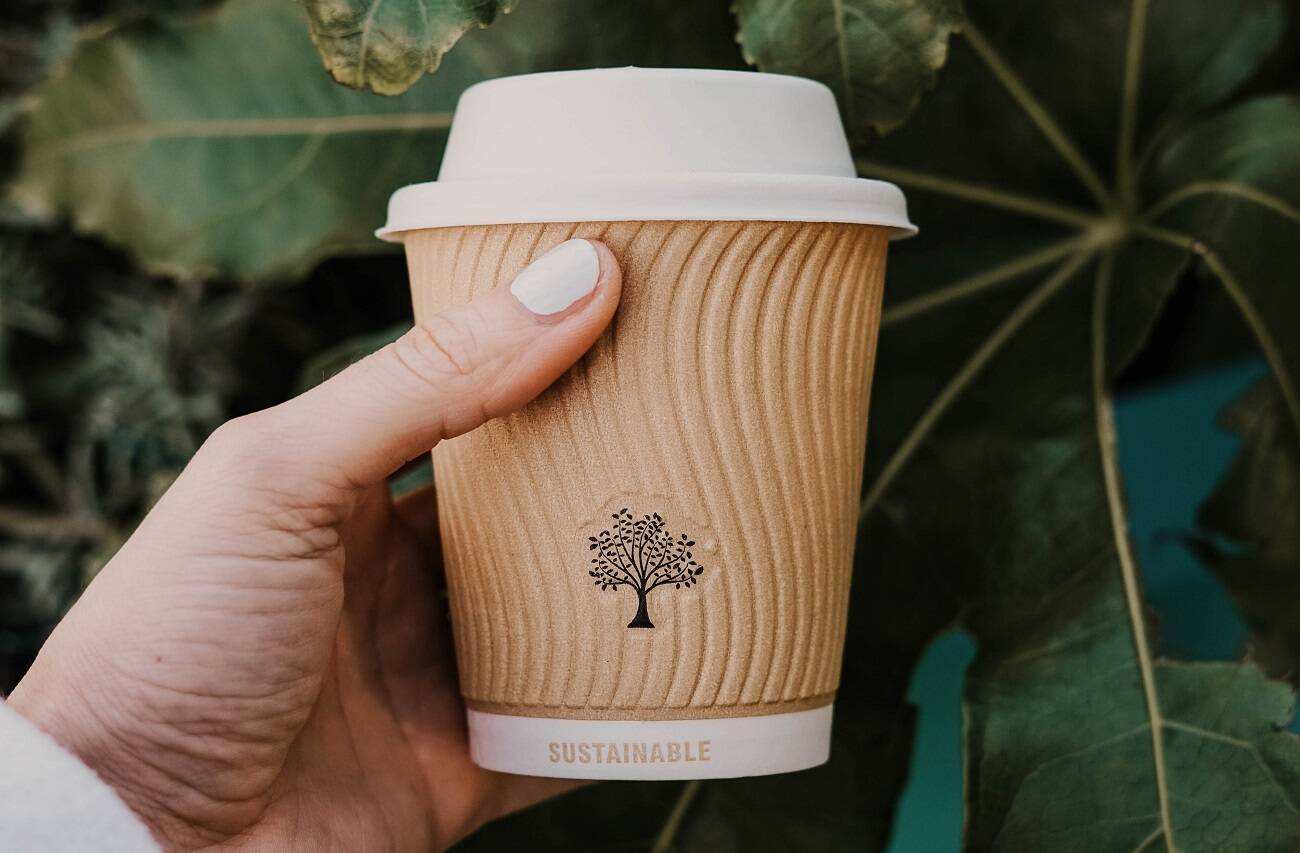
Eco-friendly products are products made, packaged, or used in ways that reduce environmental impact compared with conventional alternatives. They may use renewable, recycled, reclaimed, biodegradable, or responsibly sourced materials, minimise waste during production, or be designed for long-term use and reuse.

The term is often used alongside “sustainable,” but the two are not exactly interchangeable.

Eco-friendly Sustainable
Focuses on reducing environmental impact Takes a broader lifecycle approach
Often associated with materials or products Can include environmental, social and economic factors
Useful for product-level claims Often relates to wider sourcing and business strategies

This distinction matters for wholesale buyers because a product described as eco-friendly should have identifiable characteristics that support the claim, rather than relying only on sustainability-focused marketing.

15 Eco-Friendly Products to Source Wholesale from India

1. Eco-Friendly Home Decor

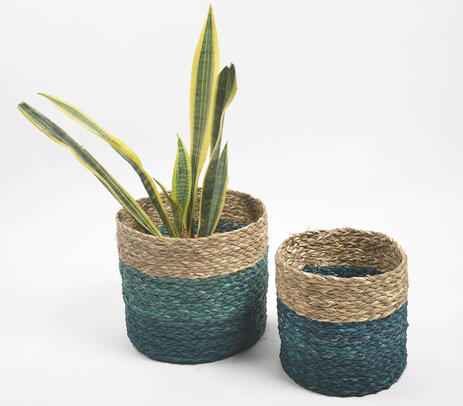
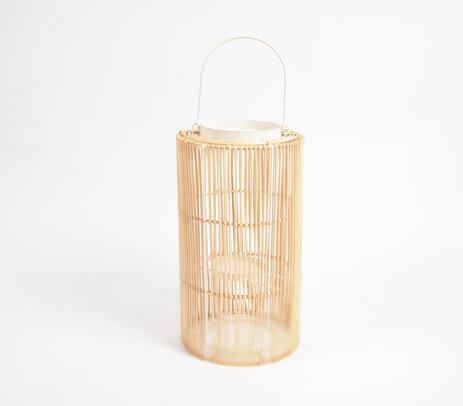
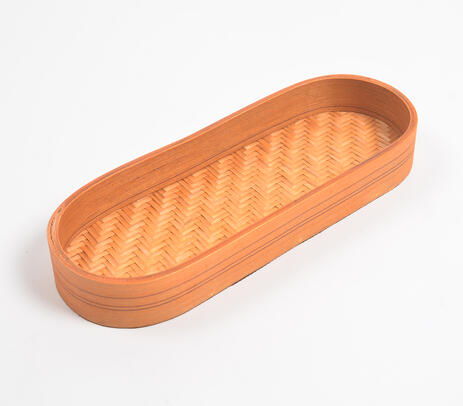
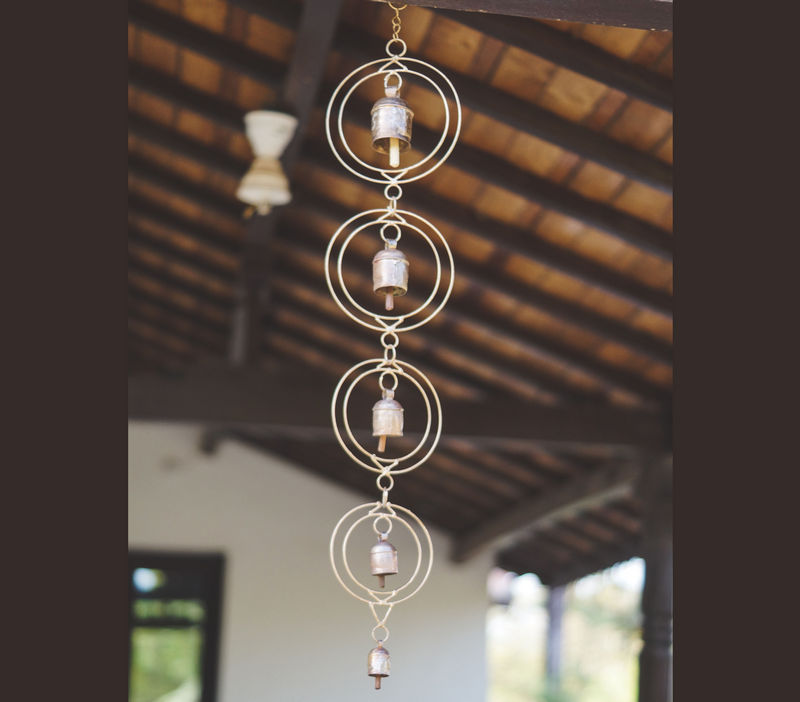
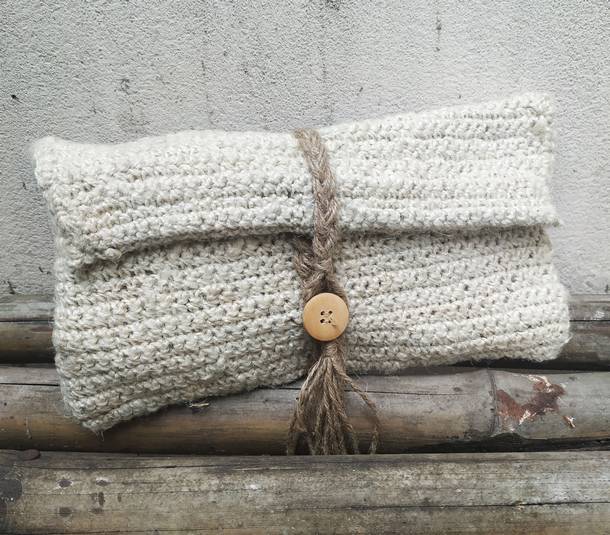
Recycled metal decor can bring an industrial or handcrafted character to retail collections while making use of recycled or reclaimed material. Upcycled wood decor offers another distinctive option, with natural variations in grain, colour and texture making each piece visually individual. Natural-fibre baskets and storage products made with materials such as jute, seagrass, banana fibre, cane or bamboo can combine utility with an organic aesthetic. These products can work across home decor, lifestyle and gifting collections for retailers seeking alternatives to conventional mass-produced accessories.

Looking to Source from India?

Discover thousands of products from verified Indian suppliers on Qalara.

2. Eco-Friendly Kitchen & Dining Products

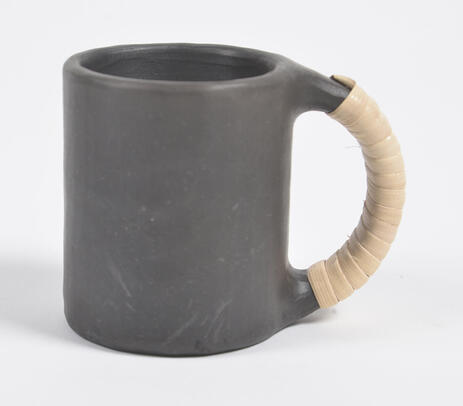
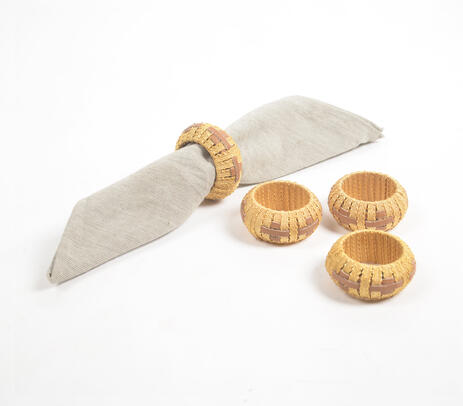
Wooden kitchenware is a practical category for buyers seeking products made from natural materials, particularly when sourced from established woodcraft suppliers. Recycled glassware can add a distinctive material story to tableware collections while offering the visual appeal of handcrafted glass. Natural-fibre tableware and dining accessories provide another avenue for incorporating materials such as jute, bamboo, cane and other natural fibres into functional collections. For wholesale buyers, material, production method, durability and intended application are important considerations alongside environmental positioning.

3. Eco-Friendly Natural-Fibre Textiles

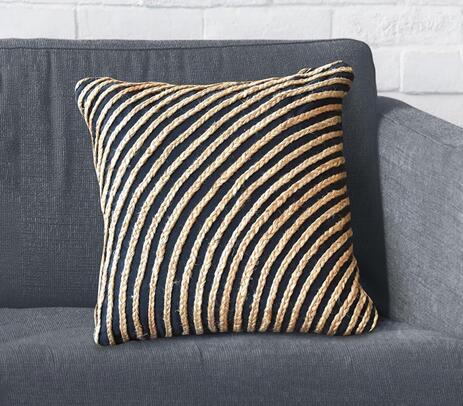
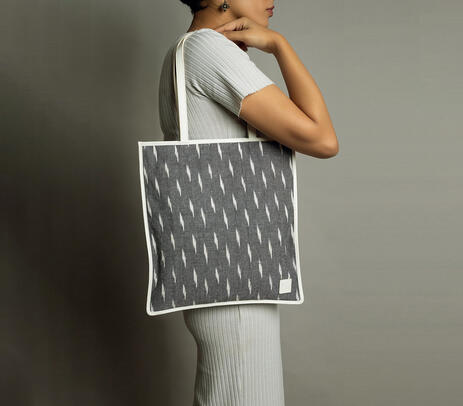
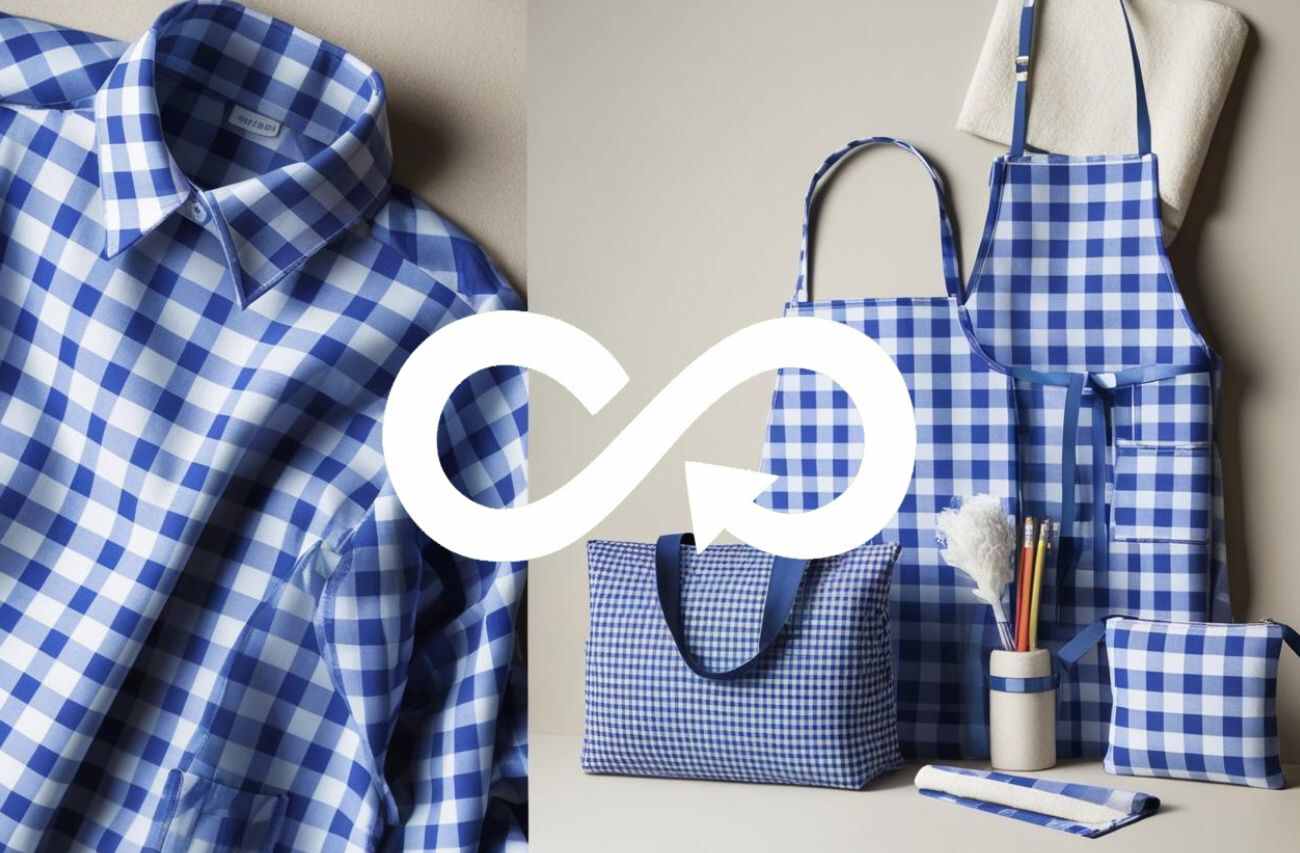
Organic and recycled cotton textiles can provide retailers with familiar, versatile products while incorporating alternative material choices. Handwoven natural-fibre textiles can add texture and craft value to collections, with materials such as jute, hemp and other natural fibres offering different visual and functional qualities. Recycled or upcycled textile products can also give discarded or surplus materials a new application. These options can be particularly relevant to home, lifestyle and gifting brands developing collections around natural materials and considered production.

4. Eco-Friendly Gifting Products

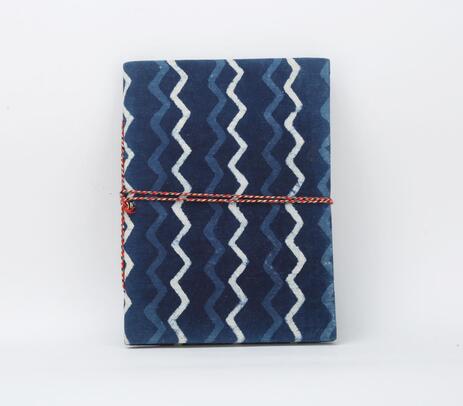
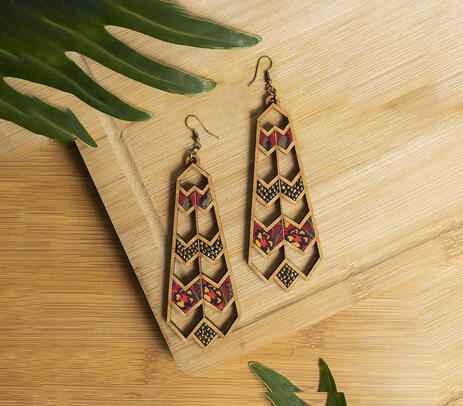
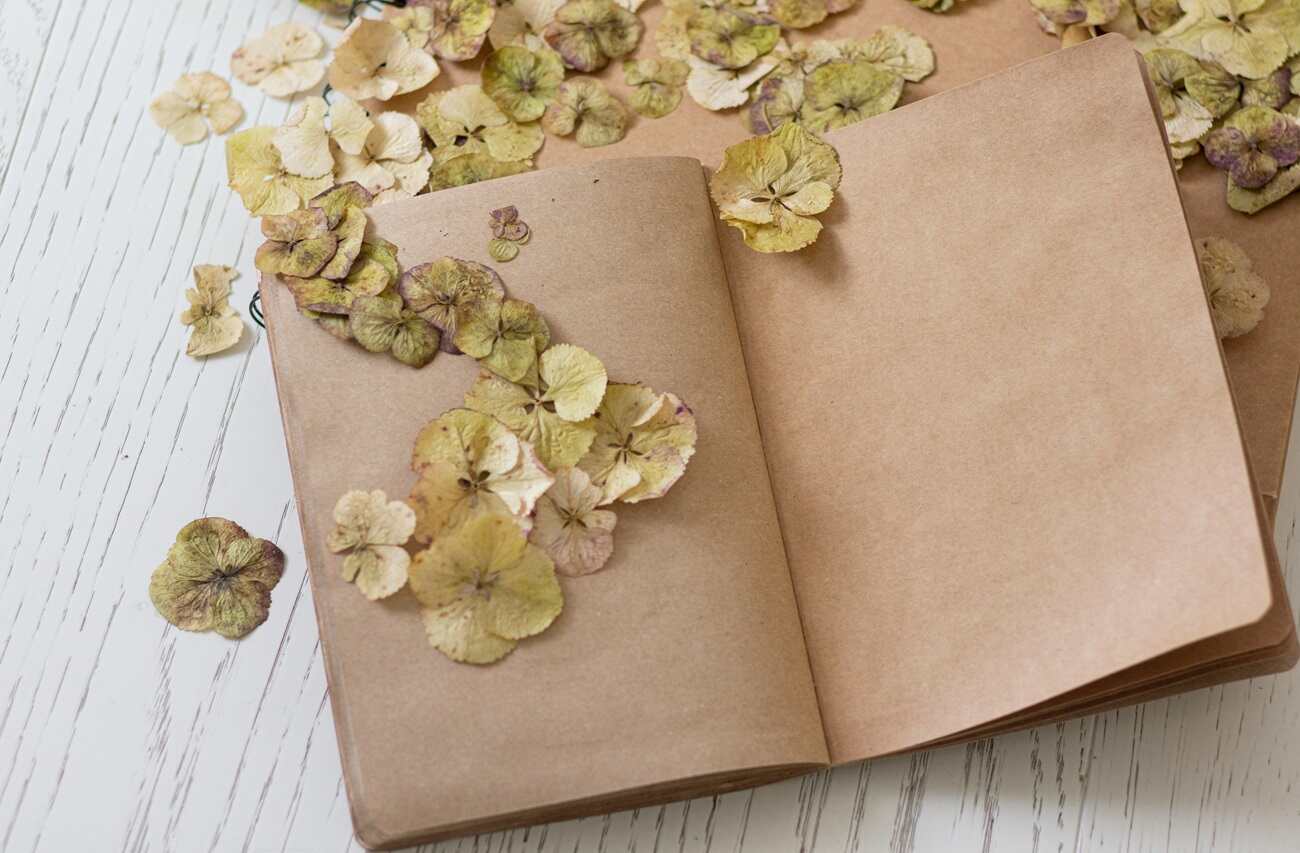
Gifting collections can incorporate eco-friendly materials through products made from natural, recycled, reclaimed or upcycled materials. Wooden accessories, natural-fibre products and recycled-material home accents can all serve as giftable options while offering a more distinctive alternative to conventional products. For retailers, the strongest opportunities are products that combine an identifiable material story with useful functionality, attractive design and commercial viability.

5. Eco-Friendly Lifestyle Accessories

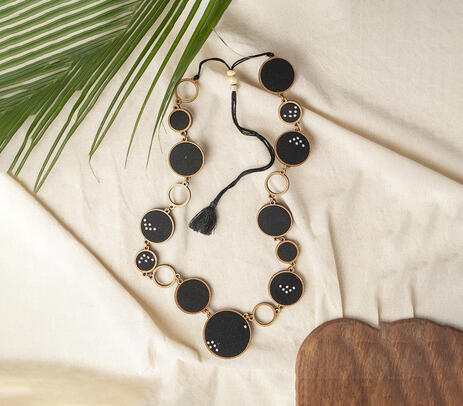
Lifestyle products made from natural or reclaimed materials can broaden an eco-friendly retail assortment beyond home and kitchen categories. Accessories can incorporate materials such as wood, natural fibres, recycled textiles and other materials represented within India’s supplier ecosystem. When selecting products for wholesale, buyers should consider how the material, manufacturing process, durability, packaging and intended use collectively support the product’s environmental positioning.

Why Source Eco-Friendly Products from India?

India offers buyers access to a diverse supplier ecosystem spanning natural fibres, wood, metal, recycled materials, agricultural by-products and other natural materials. This material diversity allows brands to explore eco-friendly products across several retail categories rather than relying on a single product type.

The country also has established craft clusters and specialised manufacturing capabilities across metalwork, woodcraft, weaving, basketry, pottery, glass and textiles. This combination of craft expertise and manufacturing capability can be useful for brands looking for differentiated collections rather than commodity products.

Many Indian suppliers also serve small and mid-sized businesses, making the ecosystem relevant to buyers developing focused seasonal collections or testing new product categories. Qalara brings suppliers together through a global B2B marketplace, helping international buyers discover Indian manufacturers and artisan-led businesses across home decor, textiles, kitchen and dining, gifting and lifestyle categories.

How to Evaluate an Eco-Friendly Product Before Buying Wholesale

An eco-friendly product should be evaluated on more than its product description. Before placing a wholesale order, consider these factors:

1. Ask what the material actually is

“Eco-friendly” should not replace a clear material specification. Ask whether the material is recycled, reclaimed, renewable, organic or virgin.

2. Check certifications where relevant

Depending on the product, documentation may relate to organic materials, recycled content, responsible forestry, social compliance or quality management. Not every product requires every certification.

3. Understand how the product is made

Production methods can influence the overall environmental profile of a product, so ask suppliers about manufacturing processes where relevant.

4. Review the packaging

Consider whether the packaging is proportionate to the product and whether unnecessary single-use materials are being used.

5. Check MOQ and production capacity

A product may be attractive in principle but unsuitable for wholesale if minimum order quantities, lead times or production capacity do not match business requirements.

6. Ask for evidence behind environmental claims

Eco-friendly should describe a demonstrable product characteristic, not simply serve as a marketing label.


What Should Buyers Ask an Eco-Friendly Supplier?

Before sourcing eco-friendly products wholesale, buyers can ask suppliers:

  • What material is the product made from?
  • Is the material recycled, reclaimed, renewable or virgin?
  • Where is the material sourced?
  • Are relevant certifications available?
  • What production process is used?
  • What is the MOQ?
  • What is the production lead time?
  • What packaging is used?
  • Can material or compliance documentation be provided?
  • Can the product be customized?

These questions can help buyers distinguish genuine product attributes from broad environmental claims while also assessing whether a supplier can meet commercial requirements.

Source Eco-Friendly Products from India with Qalara

For retailers, brands, hospitality businesses and other global buyers, finding credible eco-friendly products means looking beyond a product’s marketing description. Material composition, manufacturing process, supplier capabilities, packaging and commercial requirements all contribute to a more informed sourcing decision.

Qalara is a global B2B marketplace connecting international buyers with suppliers from India and other sourcing markets. Buyers can discover collections across home decor, textiles, kitchen and dining, gifting and lifestyle categories, including products from artisan-led and manufacturing businesses.

Explore eco-friendly products on Qalara to discover wholesale sourcing opportunities from India.

Looking to Source from India?

Discover thousands of products from verified Indian suppliers on Qalara.

– Shambhavi

Frequently Asked Questions About Eco-Friendly Products

Eco-friendly products are products designed, made, packaged or used in ways that reduce environmental impact compared with conventional alternatives. They may use recycled, reclaimed, renewable, biodegradable or responsibly sourced materials.

Examples include recycled metal decor, upcycled wood products, natural-fibre baskets, wooden kitchenware, recycled glassware, organic or recycled cotton textiles, handwoven natural-fibre products and recycled or upcycled textile goods.

Global retailers and brands can explore eco-friendly products wholesale through supplier marketplaces and sourcing platforms. Qalara connects international buyers with suppliers from India and offers products across home decor, textiles, kitchen and dining, gifting and lifestyle categories.

Material choice, production methods, durability, reuse potential, packaging and supporting documentation can all help establish whether an eco-friendly claim is meaningful.

The terms overlap, but they are not identical. Eco-friendly generally focuses on reducing environmental impact at the product level, while sustainability can encompass broader environmental, social and economic considerations.

TOP