


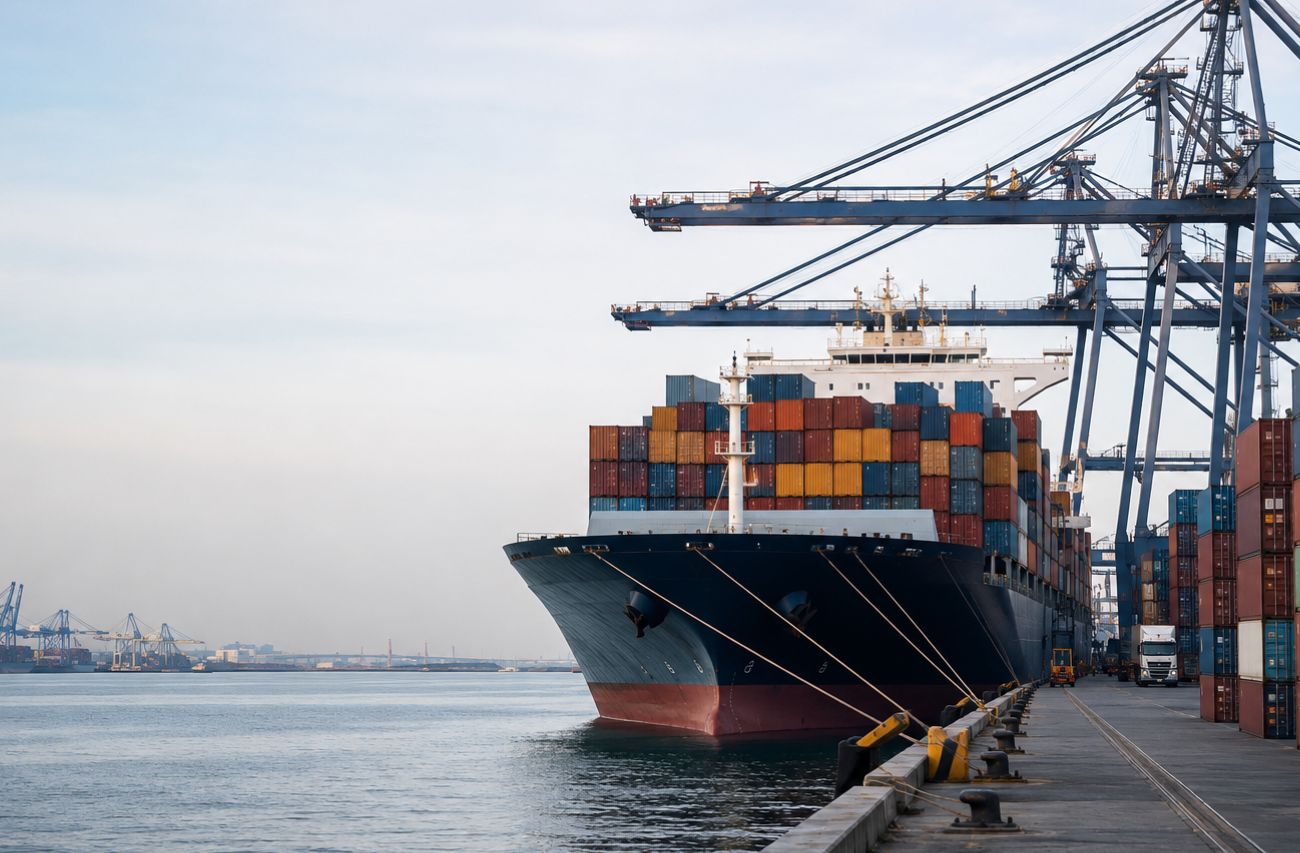
Whether you are sourcing handcrafted products, textiles, home décor, or industrial goods, choosing the right shipping term is just as important as choosing the right supplier. After finalizing product specifications and pricing, buyers are often presented with a crucial question: Should the shipment be FOB, CIF, or DDP? While these three Incoterms determine how goods move from seller to buyer, they also influence shipping costs, customs responsibilities, insurance coverage, delivery timelines, and the overall landed cost of your order.
Selecting the wrong shipping term can lead to unexpected expenses, delays at customs, or unnecessary logistical challenges. On the other hand, understanding the differences between FOB (Free on Board), CIF (Cost, Insurance and Freight), and DDP (Delivered Duty Paid) helps buyers make informed sourcing decisions that align with their budget, experience, and operational needs.
In this guide, we at Qalara will break down what each shipping term means, compare their advantages and limitations, and help you determine which option is best suited to your business. Whether you're importing for the first time or managing regular international shipments, this comparison will help you navigate global trade with greater confidence.
Quick Answer: For most experienced importers, FOB offers the greatest control over shipping costs and logistics. CIF is a middle-ground option where the seller arranges international freight, while DDP offers the most convenience by having the seller handle freight, customs, duties, taxes, and final delivery. The right choice depends on your experience, shipment volume, logistics capabilities, and how much control you want over the total landed cost.
Which Shipping Term Should Buyers Choose?
Choosing between FOB, CIF, and DDP ultimately depends on your business's sourcing experience, logistics capabilities, and operational priorities. While no single Incoterm is universally better than the others, understanding the responsibilities, costs, and risks associated with each can help you make informed decisions and avoid costly surprises.
Choose FOB
Choose FOB (Free on Board) if your business regularly imports goods, works with a trusted freight forwarder, and prefers greater control over shipping and logistics. It offers flexibility and cost transparency, making it a popular choice among experienced importers.
Opt for CIF
Opt for CIF (Cost, Insurance and Freight) if you'd rather have the seller arrange international transportation while you manage customs clearance and inland delivery. It provides a balanced approach, reducing logistical effort without giving up complete control.
Consider DDP
Consider DDP (Delivered Duty Paid) if convenience is your top priority. Since the seller handles transportation, customs formalities, duties, taxes, and final delivery, DDP is often the easiest option for first-time importers or businesses without dedicated logistics support.
Ultimately, the best shipping term is the one that aligns with your business model, shipment frequency, budget, and internal capabilities. Looking beyond the quoted product price to evaluate the total landed cost, delivery timelines, customs obligations, and supplier reliability will help you build a more efficient and resilient sourcing strategy.
Also read: Top 12 Products to Source from India
FOB vs CIF vs DDP: A Side-by-Side Comparison
While FOB, CIF, and DDP all facilitate the movement of goods in international trade, they differ significantly in terms of cost allocation, risk transfer, and the responsibilities assigned to buyers and sellers. The right choice depends on your business's logistics capabilities, budget, and level of control you want over the shipping process.
| Feature | FOB (Free on Board) | CIF (Cost, Insurance and Freight) | DDP (Delivered Duty Paid) |
|---|---|---|---|
| Seller pays for | Export clearance and loading onto the vessel | Export clearance, freight, and minimum insurance to the destination port | Nearly all costs, including freight, customs clearance, duties, taxes, and final delivery |
| Buyer pays for | Freight, insurance, import duties, customs clearance, and inland transport | Import duties, customs clearance, and inland transport | Typically only the agreed purchase price |
| Risk transfers to buyer | Once goods are loaded onto the vessel | Once goods are loaded onto the vessel | Upon delivery at the agreed destination |
| Control over shipping | High | Moderate | Low |
| Cost transparency | High | Moderate | Lower, as logistics costs are bundled into the final price |
| Logistics responsibility | Mostly buyer | Shared between buyer and seller | Mostly seller |
| Best suited for | Experienced importers and high-volume buyers | Buyers seeking a balance between control and convenience | First-time importers and businesses seeking hassle-free delivery |
Ultimately, there is no one-size-fits-all shipping term. Buyers with established logistics networks often prefer FOB for the flexibility and cost control it offers. Those looking for a simpler shipping process may find CIF to be the right balance, while businesses that value convenience and predictable costs often benefit from DDP, especially when importing smaller or less frequent shipments.
What Are Shipping Terms (Incoterms)?
Quick Answer: Incoterms are standardized international trade rules that define who is responsible for shipping, insurance, customs clearance, costs, and risk during the transportation of goods from the seller to the buyer.
Shipping terms, commonly known as Incoterms (International Commercial Terms), are a set of globally recognized rules published by the International Chamber of Commerce (ICC). They define the responsibilities of buyers and sellers in an international transaction, specifying who is responsible for transportation, insurance, customs clearance, duties, and the transfer of risk at each stage of the shipping process.
By providing a standardized framework, Incoterms help eliminate confusion and reduce disputes between trading partners across different countries. Rather than negotiating every logistical detail from scratch, buyers and sellers can simply agree on an Incoterm that clearly outlines each party's obligations.
Among the 11 Incoterms used in international trade, FOB (Free on Board), CIF (Cost, Insurance and Freight), and DDP (Delivered Duty Paid) are three of the most commonly used for ocean freight and global sourcing. Each offers a different balance of cost, control, and responsibility, making it important for buyers to choose the option that best fits their sourcing strategy.
FOB (Free on Board): Ideal for Buyers Who Want Greater Control
FOB (Free on Board) is one of the most widely used Incoterms for sea freight. Under this arrangement, the seller is responsible for preparing the goods, completing export customs formalities, and loading the shipment onto the vessel at the agreed port of origin. Once the goods are safely loaded on board, the responsibility, and the risk, transfers to the buyer.
From that point onward, the buyer arranges and pays for ocean freight, cargo insurance (if required), import customs clearance, duties, taxes, and transportation to the final destination.
For experienced importers, FOB offers greater flexibility and control over the shipping process. Buyers can select their preferred freight forwarder, negotiate competitive shipping rates, and monitor the movement of goods more closely. This often results in better cost transparency and can reduce logistics expenses, especially for businesses that import regularly or ship in large volumes.
However, FOB also places more responsibility on the buyer. Managing international freight, coordinating with logistics providers, and handling customs procedures require experience and reliable shipping partners. Businesses without an established logistics network may find the process more complex than seller-managed shipping options.
Advantages of FOB
- Greater control over shipping and logistics
- Flexibility to choose a preferred freight forwarder
- Better visibility into freight costs
- Potential savings for frequent or high-volume importers
Limitations of FOB
- Buyers are responsible for the majority of the shipping process after loading
- Requires knowledge of international logistics and customs procedures
- More coordination between freight forwarders, customs agents, and transport providers
FOB is Best Suited For
FOB is an excellent choice for businesses that import regularly, have established relationships with freight forwarders, or want greater control over shipping costs and delivery schedules. It is particularly popular among experienced international buyers looking to optimize their overall landed costs.
Also read: How to Source Home Decor Products from India
Looking to Source from India?
Discover thousands of products from verified Indian suppliers on Qalara.
What Is CIF in Shipping?
CIF (Cost, Insurance and Freight) offers a middle ground between buyer-managed and seller-managed shipping. Under this Incoterm, the seller is responsible for arranging and paying for the transportation of goods to the destination port, including the minimum insurance coverage required for the shipment.
However, once the goods are loaded onto the vessel at the port of origin, the risk of loss or damage transfers to the buyer, even though the seller continues to pay for the freight and insurance until the destination port. After the shipment arrives, the buyer is responsible for import customs clearance, duties, taxes, and inland transportation to the final delivery location.
For buyers who want to avoid the hassle of arranging international freight while still retaining control over the import process, CIF can be a practical choice. It simplifies logistics without completely handing over the shipping process to the seller.
That said, buyers should understand exactly what is included in the quoted CIF price. The seller typically selects the shipping line and insurance provider, which may not always offer the most competitive freight rates or the level of cargo coverage the buyer expects. Reviewing the insurance terms and understanding the total landed cost before placing an order is essential.
Advantages of CIF
- Seller arranges and pays for international freight
- Minimum cargo insurance is included
- Less coordination required compared to FOB
- Suitable for buyers with limited logistics experience
Limitations of CIF
- Buyers have limited control over freight arrangements
- Insurance coverage may only meet minimum requirements
- Import duties, customs clearance, and inland transportation remain the buyer's responsibility
- Freight costs included by the seller may not always be the most competitive
CIF is Best Suited For
CIF is ideal for buyers who want a simpler shipping process without outsourcing the entire import journey. It is well suited for small and medium-sized businesses, occasional importers, and companies that are comfortable managing customs clearance but prefer the seller to arrange overseas transportation.
Also read: How Wholesale Buyers Stand to Gain from India's FTA Roadmap
What Is DDP in Shipping?
DDP (Delivered Duty Paid) places the greatest responsibility on the seller, making it one of the most convenient shipping terms for buyers. Under this Incoterm, the seller manages almost the entire shipping process, from export clearance in the country of origin to international freight, import customs clearance, duties, taxes, and final delivery to the buyer's specified location.
For the buyer, the process is straightforward. Once the order is placed, the seller coordinates the logistics, and the goods are delivered ready for receipt with minimal involvement from the buyer. This makes DDP particularly attractive for businesses that are new to international sourcing or do not have the resources to manage cross-border logistics.
The biggest advantage of DDP is predictability. Since the seller includes shipping costs, customs duties, and taxes in the quoted price, buyers have a clearer understanding of the total cost upfront and are less likely to encounter unexpected charges during transit.
However, convenience often comes at a premium. Sellers may build logistics expenses, customs fees, and administrative costs into the product price, making DDP shipments more expensive than FOB or CIF. Additionally, buyers have little visibility into freight arrangements or customs costs, which can make it difficult to evaluate whether they are receiving the most competitive shipping rates.
Advantages of DDP
- Door-to-door delivery with minimal buyer involvement
- Seller handles export and import customs procedures
- Duties and taxes are included in the quoted price
- Predictable costs with fewer unexpected shipping expenses
- Ideal for businesses without in-house logistics expertise
Limitations of DDP
- Typically the most expensive shipping option
- Limited transparency into freight and customs costs
- Buyers have little control over shipping providers or delivery routes
- Not all suppliers are willing or able to offer DDP, depending on destination country regulations
DDP is Best Suited For
DDP is an excellent choice for first-time importers, small businesses, and buyers who prioritize convenience over logistics control. It is also well suited for low-volume or high-value shipments where reducing administrative effort is more important than optimizing freight costs.
Also read: The Real Cost of Cheap Sourcing: Hidden Risks Retailers Ignore
FOB vs DDP: Which Costs the Buyer More?
FOB and DDP place different responsibilities on the buyer and seller. Under FOB, the buyer takes responsibility for the shipment after the goods are loaded on board, including the main international freight and the costs that follow. Under DDP, the seller handles the shipment through to delivery, including import clearance, duties, taxes, and final delivery.
FOB can give experienced buyers greater control over freight and logistics costs, particularly when they have established relationships with freight forwarders. DDP can be more convenient for buyers who prefer a simpler purchasing process and a clearer view of the delivered cost.
The better option depends on whether the buyer prioritises control over logistics and costs or convenience and a more straightforward delivery process.
CIF vs DDP: What Is the Difference?
CIF and DDP differ mainly in how much responsibility the seller takes for getting the goods to the buyer. Under CIF, the seller arranges and pays for the cost, insurance, and freight to the destination port, while the buyer is responsible for import clearance, duties, taxes, and delivery after arrival. Under DDP, the seller takes responsibility for the shipment through to the agreed destination, including import clearance, duties, taxes, and final delivery.
CIF can be suitable for buyers who want the seller to arrange international freight and insurance but are comfortable managing the import process and costs after the goods arrive at the destination port. DDP is designed for buyers who prefer the seller to handle most of the logistics and import-related responsibilities.
In simple terms, CIF gives the buyer more responsibility after the shipment reaches the destination port, while DDP places much more of the delivery and import responsibility with the seller. The better option depends on the buyer's logistics experience, import capabilities, and preference for control versus convenience.
FAQs
What is the difference between CIF and DDP?
Under CIF, the seller arranges and pays for the cost, insurance, and freight to the destination port, while the buyer handles import clearance, duties, taxes, and delivery after arrival. Under DDP, the seller takes responsibility for the shipment through to the agreed destination, including import clearance, duties, taxes, and final delivery.
What is the difference between FOB and DDP?
FOB gives the buyer greater responsibility for the shipment after the goods are loaded on board, including the main international freight and subsequent costs. DDP places much more of the shipping, import, duty, tax, and final delivery responsibility with the seller.
Which is better, CIF or DDP?
CIF can suit buyers who want the seller to arrange international freight and insurance but are comfortable managing the import process themselves. DDP can be more convenient for buyers who prefer the seller to handle most logistics and import-related responsibilities.
Which shipping term should a buyer choose?
The right shipping term depends on the buyer's experience, shipment volume, logistics capabilities, and preference for control versus convenience. FOB can offer experienced buyers greater control, CIF provides a middle-ground option, and DDP offers greater convenience by placing more responsibility with the seller.
Whether you are sourcing handcrafted products, textiles, home décor, or manufactured goods, partnering with suppliers who clearly understand international trade practices can make the procurement process significantly smoother. We, at Qalara, connect buyers with export-ready suppliers from India, making it easier to find businesses that can support different shipping terms and help streamline cross-border sourcing.
Looking to Source from India?
Discover thousands of products from verified Indian suppliers on Qalara.
– by Shambhavi


Leave a Reply