


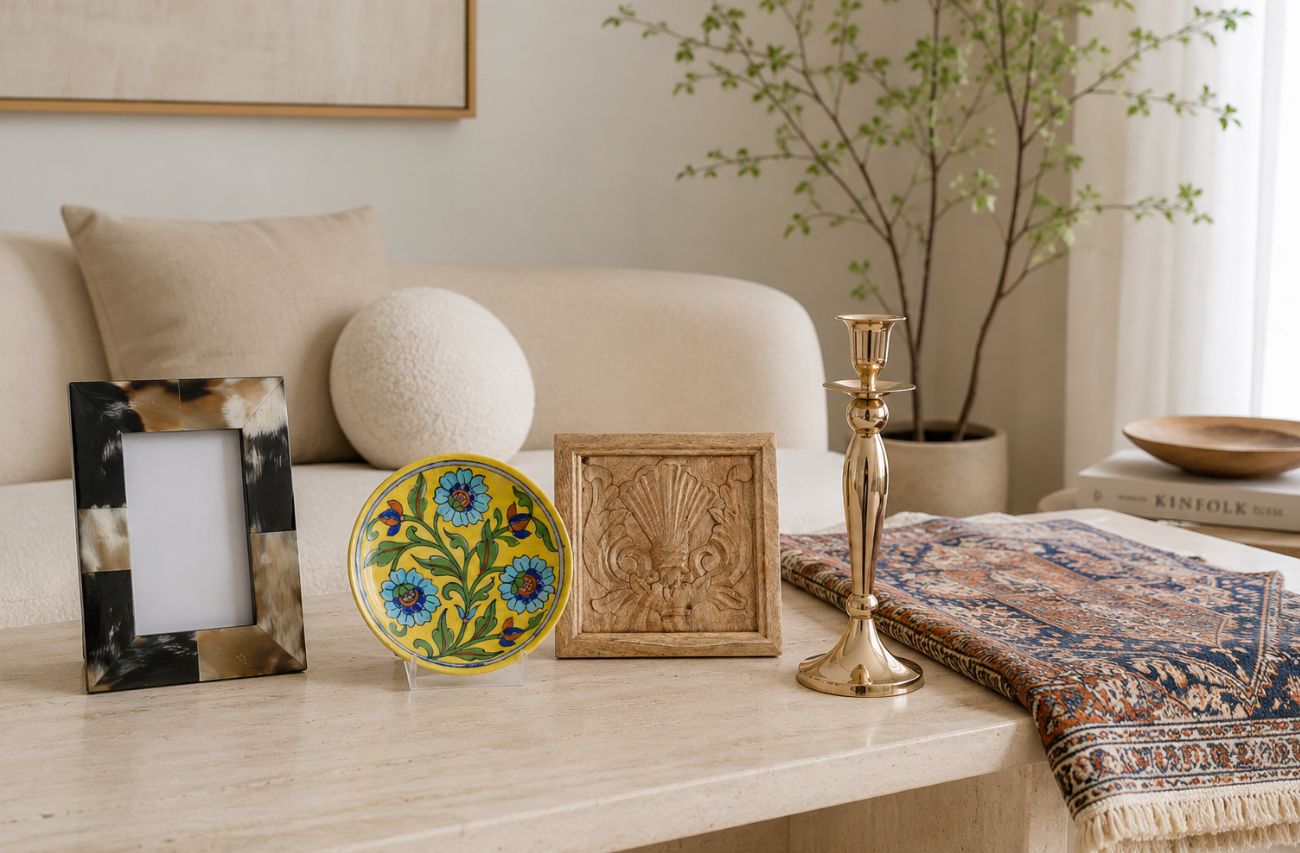
Best Indian Craft Clusters for Home Decor Buyers: A Complete Sourcing Guide
India's Craft Clusters Are More Than Manufacturing Hubs; They're Competitive Advantages
Every successful home decor collection begins long before a product reaches a showroom. It starts where raw materials, skilled artisans, manufacturers, and export infrastructure come together to create products at scale. In India, these ecosystems are known as craft clusters.
Unlike conventional industrial zones that focus on mass production, craft clusters are built around generations of specialized knowledge. Entire communities often dedicate themselves to a particular craft, metal casting, wood carving, weaving, pottery, or stonework, creating supply chains that are difficult to replicate elsewhere. For international buyers, this concentration of expertise translates into better product development, greater customization, and access to authentic craftsmanship.
The scale of India's handicrafts sector reflects its global importance. According to the India Brand Equity Foundation (IBEF), the industry employs more than seven million people, comprises 744 handicraft clusters, and produces over 35,000 product varieties. In FY2024–25 (provisional), India's handicraft exports were valued at US$3.89 billion, with the United States accounting for nearly 39% of total exports, followed by markets such as the UAE, the UK, Germany, the Netherlands, and France.
These numbers highlight an important point: sourcing from India is no longer just about finding handcrafted products. It is about accessing mature manufacturing ecosystems capable of serving retailers, wholesalers, hospitality brands, interior designers, and private-label businesses worldwide.
What Is a Craft Cluster?
The Ministry of Textiles promotes a cluster-based approach because it strengthens every stage of production, from skill development and design innovation to quality improvement and market access. Instead of artisans working in isolation, clusters create interconnected networks of manufacturers, raw material suppliers, finishing units, exporters, and logistics partners, making production more efficient and scalable.
For home decor buyers, this offers several practical advantages:
- Access to suppliers with deep specialization in specific materials or techniques.
- Easier product customization and sampling.
- Better production consistency for repeat orders.
- Reduced sourcing complexity through concentrated supplier networks.
- Opportunities to develop complete collections within a single sourcing region.
However, not every cluster specializes in the same products. India's craft geography has evolved over centuries, with each region developing expertise based on locally available materials, historical trade routes, and artisan traditions. Understanding these strengths can help buyers identify the right sourcing destination before contacting suppliers.
Moradabad, Uttar Pradesh: India's Metal Craft Capital
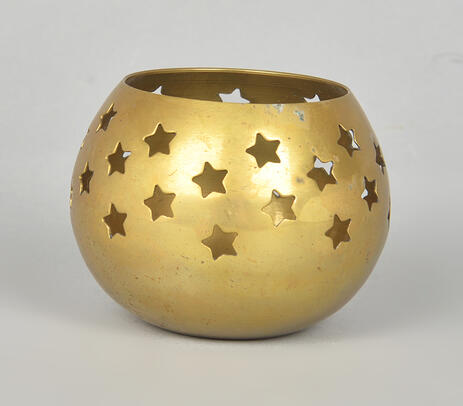
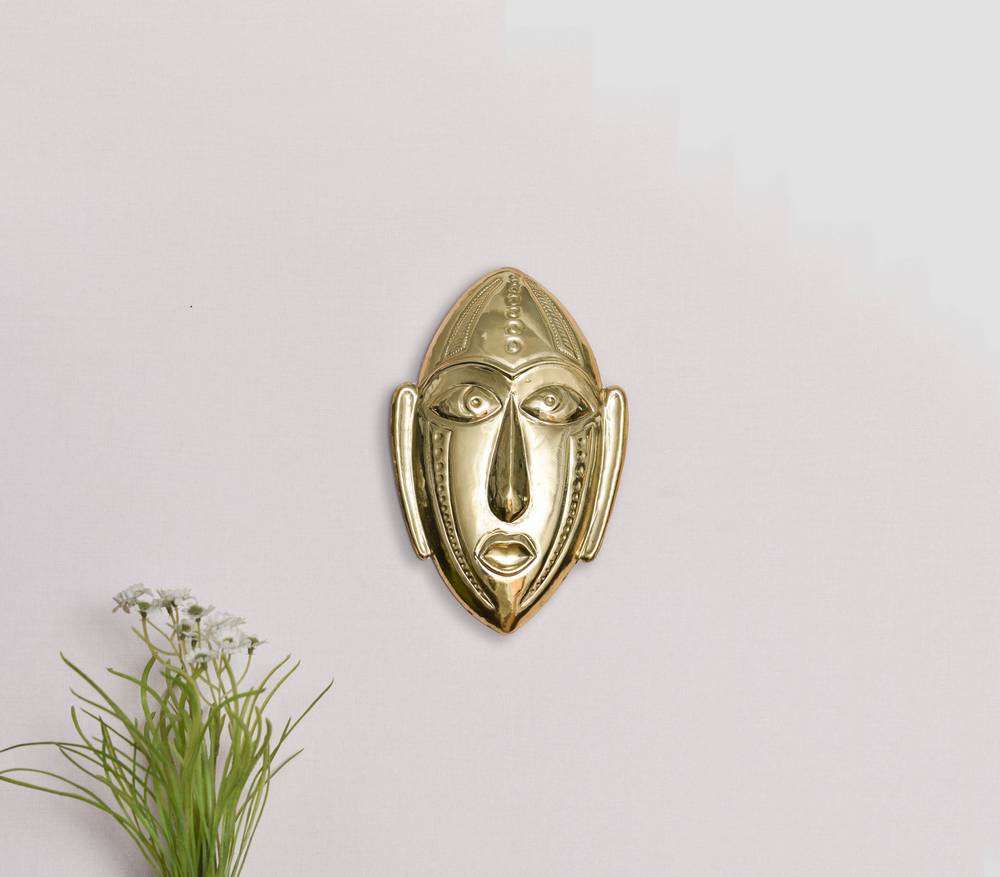
When buyers think of Indian metal home decor, Moradabad is usually the first city that comes to mind, and for good reason.
Known as Peetal Nagri (the Brass City), Moradabad has transformed over the past few decades from a brass-focused industry into one of India's most diversified metal handicraft clusters. While brass remains an important material, aluminium now accounts for a significant share of production, alongside iron, stainless steel and other metals, reflecting changing global demand for lighter, contemporary products. An ISID Working Paper identifies the metal craft cluster in Moradabad as a major hub with approximately 250,000 to 400,000 artisans, 25,000 informal workshop units, and 4,500 exporters. The study details the cluster's role in the Indian economy, noting it handles nearly 50% of the nation's metal craft exports.
For buyers, the city's greatest strength lies in its integrated manufacturing ecosystem. Casting, fabrication, engraving, polishing, electroplating, powder coating, and packaging are all available within the region, allowing suppliers to develop complete product collections rather than isolated pieces.
Today's export catalogues extend far beyond traditional brassware and include decorative bowls, candle holders, mirrors, trays, wall decor, sculptures, planters, lanterns, tabletop accessories, and seasonal collections designed specifically for international retailers.
Moradabad is particularly well suited for buyers looking to build contemporary metal collections, private-label ranges, or mixed-material décor combining metal with wood, marble, glass, or natural fibres.
Saharanpur, Uttar Pradesh: Where Woodcraft Continues to Evolve
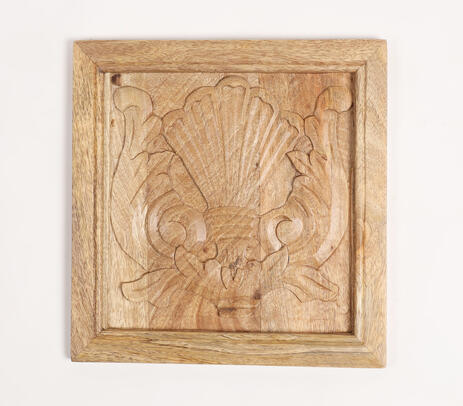
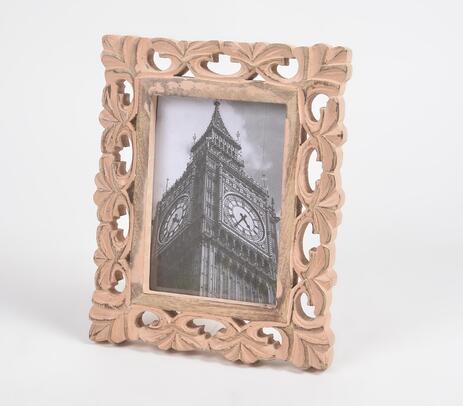
If Moradabad represents India's expertise in metal, Saharanpur is its counterpart in woodcraft.
For generations, artisans here have refined techniques ranging from intricate hand carving to contemporary woodworking, helping the city become one of India's most recognised centres for wooden handicrafts. Although traditional carving remains an important part of its identity, today's manufacturers increasingly produce minimalist collections that appeal to modern international buyers.
The cluster works extensively with mango wood, sheesham, acacia, and other commercially available hardwoods. Rather than relying solely on ornate craftsmanship, manufacturers have diversified into clean-lined serving accessories, mirrors, trays, shelving, decorative boxes, furniture, and wall décor that align with current interior design trends.
One of Saharanpur's biggest advantages is design flexibility. Buyers can source rustic farmhouse aesthetics, Scandinavian-inspired collections, industrial styles that combine wood with metal, or premium handcrafted furniture, all from the same manufacturing ecosystem.
For businesses looking to create cohesive wooden home decor collections, Saharanpur offers both artisanal expertise and production scalability.
Jaipur, Rajasthan: Heritage Craftsmanship Meets Contemporary Design
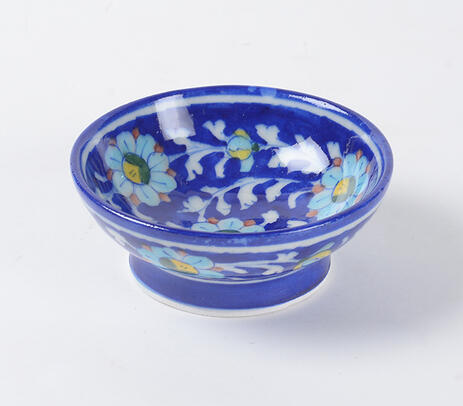
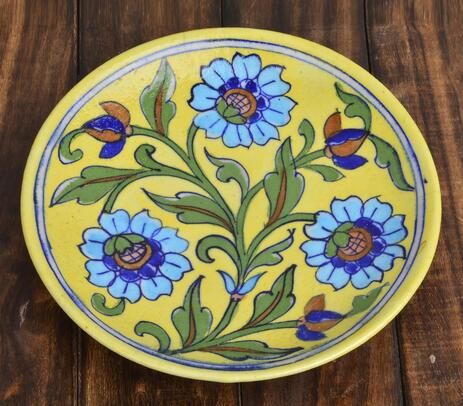
Few Indian cities offer the diversity of Jaipur.
Rather than being defined by a single material, Jaipur brings together several craft traditions, including marble carving, blue pottery, semi-precious stone inlay, block printing, and decorative handicrafts. This diversity allows buyers to source products across multiple home decor categories while working within a single regional ecosystem.
Among its best-known crafts is Jaipur Blue Pottery, distinguished by its vibrant glazed finish and decorative appeal. Marble accessories such as trays, coasters, candle holders, and decorative boxes continue to attract premium home décor brands, while artisans specialising in semi-precious stone inlay produce luxury collections inspired by Rajasthan's architectural heritage.
What makes Jaipur particularly attractive is the ability to combine different craft techniques into coordinated product ranges. A buyer developing a tabletop collection, for example, can source marble serving accessories, ceramic accents, printed textiles, and decorative gift items without shifting to another manufacturing region.
This blend of traditional craftsmanship and design versatility has helped Jaipur remain one of India's strongest destinations for premium handcrafted home decor.
Bhadohi, Uttar Pradesh: The Global Reputation of Handmade Carpets
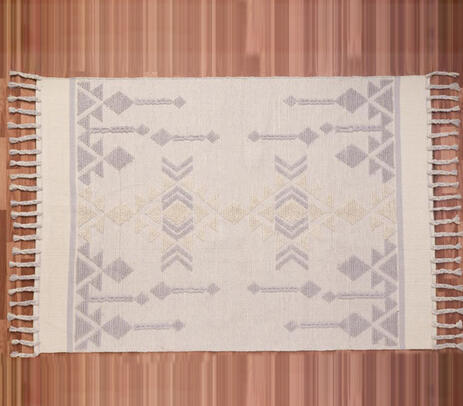
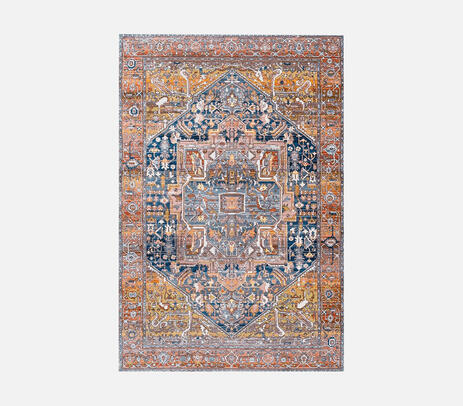
When discussing handmade carpets, Bhadohi occupies a unique position within India's craft landscape.
The district is internationally recognised for producing hand-knotted, hand-tufted and flatwoven carpets, and the Handmade Carpet of Bhadohi is protected as a Geographical Indication (GI) product, acknowledging the region's distinctive weaving tradition. According to official economic reports, the Bhadohi district hub hosts more than 100,000 looms and approximately 63,000 directly associated artisans. The broader regional carpet-weaving mega-cluster actually sustains lakhs of artisan jobs and millions of rural livelihoods across Uttar Pradesh.
Unlike machine-made flooring, handmade carpets from Bhadohi are valued for their craftsmanship, customisation potential and design flexibility. Manufacturers routinely produce bespoke sizes, colours, materials and weaving constructions for international buyers, making the cluster particularly attractive to retailers and hospitality brands seeking differentiated collections.
Bhadohi's long-established export orientation has also helped develop supporting services such as washing, finishing, quality inspection and international shipping, allowing buyers to source complex carpet programmes from a single region.
Sambhal, Uttar Pradesh: India's Horn & Bone Handicraft Cluster
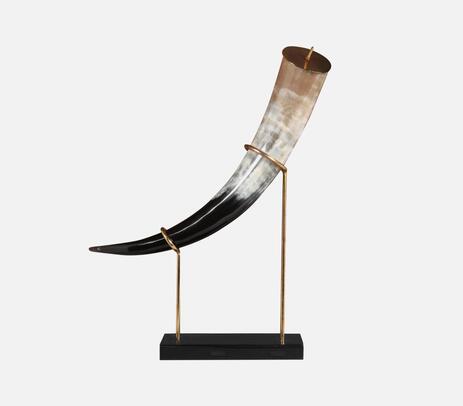
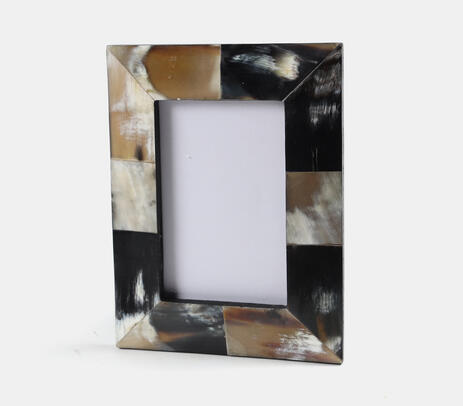
Sambhal, particularly the Sarai Tarin area, is one of India's most prominent centres for horn and bone handicrafts. The craft has been practiced for generations, with artisans transforming buffalo horns and bones sourced from naturally deceased or processed animals into handcrafted home decor and lifestyle products. The use of by-products that would otherwise go to waste has made the craft an example of resource-efficient manufacturing.
The cluster is widely recognized under the One District One Product (ODOP) initiative, and Sambhal Bone Craft was granted Geographical Indication (GI) registration in March 2024, reinforcing its authenticity and regional identity.
Today, Sambhal's manufacturers produce a diverse portfolio of handcrafted products for domestic and international markets, including decorative trays, photo frames, jewellery boxes, candle holders, cutlery handles, tabletop accessories, chess sets, serving utensils, and sculptural décor. Many manufacturers also combine horn and bone with wood, brass, resin, or metal to create contemporary home décor collections that appeal to global buyers.
For home decor buyers, Sambhal offers a niche sourcing opportunity that is difficult to replicate elsewhere. The cluster is particularly valued for its skilled hand carving, intricate inlay work, natural material finishes, and the ability to develop bespoke products for premium and private-label collections. As consumer interest in handcrafted and responsibly sourced products continues to grow, Sambhal remains one of India's most distinctive craft clusters for luxury decorative accessories.
Why Buyers Source from Sambhal
- Specialized expertise in horn and bone craftsmanship.
- GI-registered regional craft with strong artisanal heritage.
- Wide customization capabilities for export markets.
- Natural material aesthetics suited to premium home décor collections.
- Ability to combine horn and bone with wood, brass, resin, and other materials for contemporary designs.
Conclusion
India's craft clusters are not simply centres of traditional craftsmanship; they are specialized manufacturing ecosystems that continue to shape the global home decor industry. Each cluster has developed expertise over generations, creating strong networks of artisans, manufacturers, suppliers, and exporters capable of serving diverse international markets. For buyers, understanding these regional strengths can make sourcing more efficient, whether the objective is to develop a premium handcrafted collection, expand into sustainable home furnishings, or create exclusive private-label products.
Rather than viewing India as a single sourcing destination, it is more valuable to approach it as a collection of specialized hubs. Matching your product category with the right craft cluster can lead to better craftsmanship, greater customization, improved production efficiency, and stronger long-term supplier relationships.
As consumer demand continues to shift toward authentic, responsibly made, and design-led home decor, India's craft clusters remain well-positioned to meet these expectations. For retailers, importers, wholesalers, and sourcing professionals, investing time in understanding these manufacturing ecosystems is not just a sourcing decision; it is a strategic advantage that can help build distinctive product collections and resilient supply chains in an increasingly competitive global market.
Looking to source handcrafted home decor from India's leading craft clusters? Qalara connects global buyers with a curated network of verified manufacturers and artisan-led businesses across Moradabad, Saharanpur, Jaipur, Panipat, Bhadohi, and many other renowned craft hubs. From trend-forward collections and sustainable materials to private-label development and export-ready products, Qalara makes it easier to discover high-quality home decor that reflects both traditional craftsmanship and contemporary design. Explore the latest collections on Qalara and source directly from India's finest craft clusters, all through a single, trusted B2B marketplace.
~ Shambhavi
Leave a Reply